
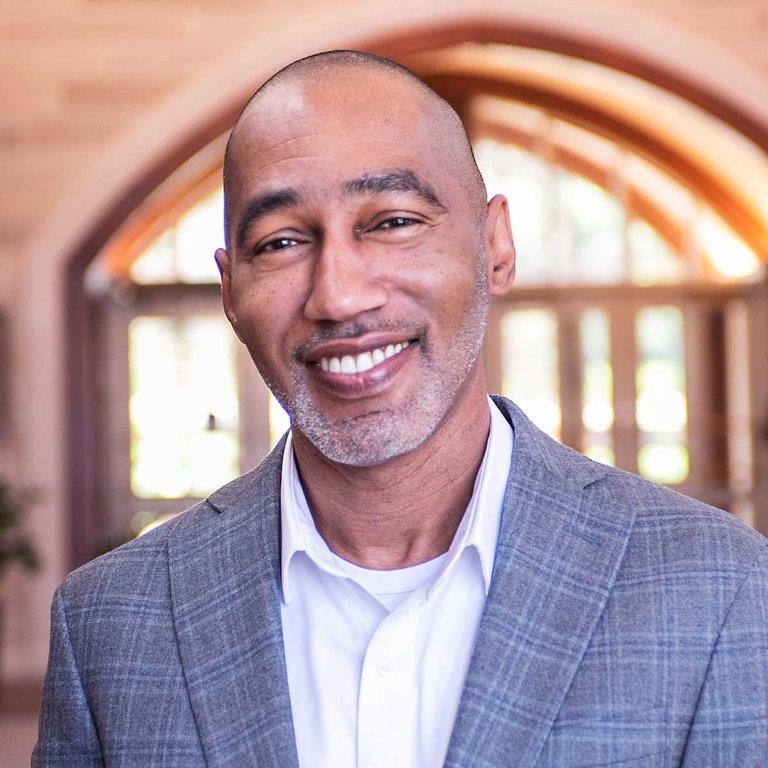
Stacey Rickman, CEO
My career journey
Across industries, I kept finding the same truth.
My work began with operational problems, but over time I became more interested in what was happening beneath them. Across industries, I saw the same reality: people respond not only to policies, processes, and plans, but to the meaning they make of them. Assumptions influence actions. Actions create patterns. Patterns shape culture. Today, I help leaders understand the forces beneath everyday workplace challenges by combining behavioral science, systems thinking, and storytelling. The goal is not< to fix people. It is to see the patterns shaping results and learn how to influence them
Learning how large systems shape individual experience
LIFE SCIENCES
Where learning, compliance, and human potential met.
Work in life sciences, Stacey worked inside a global organization where the quality of a system could have consequences far beyond a single team. His responsibilities brought together learning and development, regulatory training, performance, engagement, and succession planning.
He designed and launched global learning platforms and developed regulatory training for a new aseptic facility—work that required precision, operational understanding, and the ability to make complex expectations useful to the people carrying them out.
He also strengthened performance-management and employee-engagement programs and created succession-planning tools designed to identify emerging talent. That experience deepened a conviction Stacey would carry forward: development is not an isolated program. It is a promise an organization makes about whether people can learn, contribute, and grow.
Learning how large systems shape individual experience
CONSTRUCTION
Turning values into operating practices.
Stacey’s work in construction expanded his understanding of culture in a different kind of operating environment. Here, the challenge was not simply to describe the workplace an organization wanted. It was to build people practices capable of moving it in that direction.
He reshaped the performance-management program and spearheaded a five-year diversity and inclusion strategy. Both efforts required him to connect talent needs with organizational goals—to translate aspiration into decisions, measures, and repeatable systems.
The experience reinforced an idea that now sits at the center of Stacey’s perspective: culture is not what an organization says about itself. Culture is what its structures reward, what its leaders model, and what its people repeatedly experience.
Bringing the lessons together
Mindshift
Creating space for leaders to think differently.
After years of working inside organizations, Stacey founded ImagineThis Culture Journey LLC. The move gave him a way to bring together the threads that had defined his career: workforce planning, learning, talent, engagement, culture, inclusion, and the changing expectations people bring to work.
As a founder, advisor, workshop facilitator, and presenter, Stacey began helping decision-makers step back from the immediate problem and examine the thinking beneath it. He connected workforce projections and emerging trends to the choices leaders were making in the present.
His role was never simply to deliver an answer. It was to help people notice more—more about their assumptions, more about the systems they had inherited, and more about the people living with the consequences of those systems.
The future of work is still, fundamentally, about people.
People are more likely to change when they can see themselves in the conversation—not when change is simply announced to them.
Inclusion is reflected in whose ideas are heard, whose potential is recognized, and how everyday decisions are made.
Data can reveal a pattern, but curiosity helps leaders understand the human experience behind it.
Strong cultures are built through aligned expectations, systems, decisions, and behavior.
The best leaders do not need every answer. They need the courage to ask better questions and listen to what follows.